














 En
En

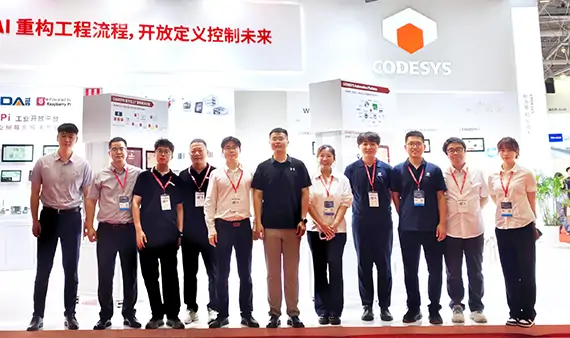
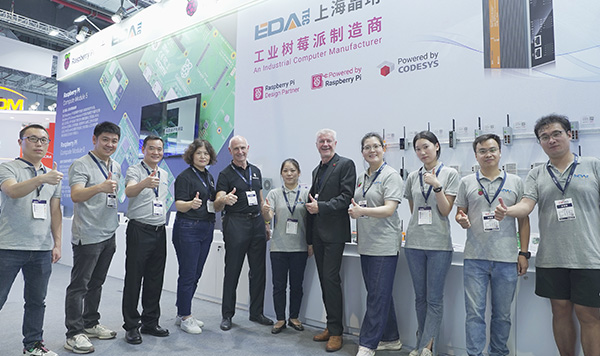
Shenzhen, at the IOTE International IoT Exhibition. The booth of EDATEC and Raspberry Pi may not be the largest, but it was undoubtedly one of the busiest and most vibrant spots at the show.
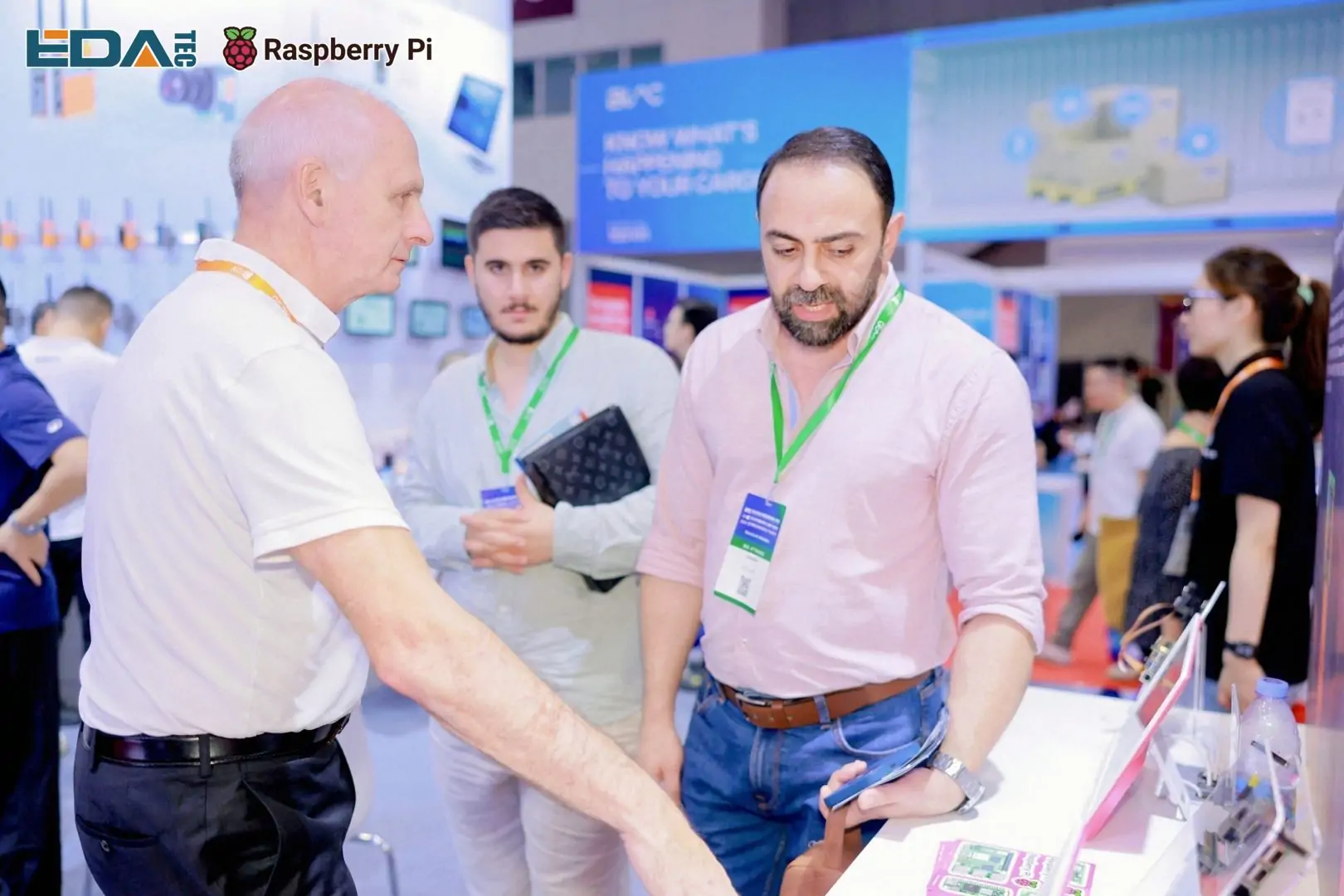
At one side of the booth, Raspberry Pi Chief Business Officer Mike had just wrapped up a discussion with an industrial customer. He then turned around, took a seat, and joined an exclusive interview.
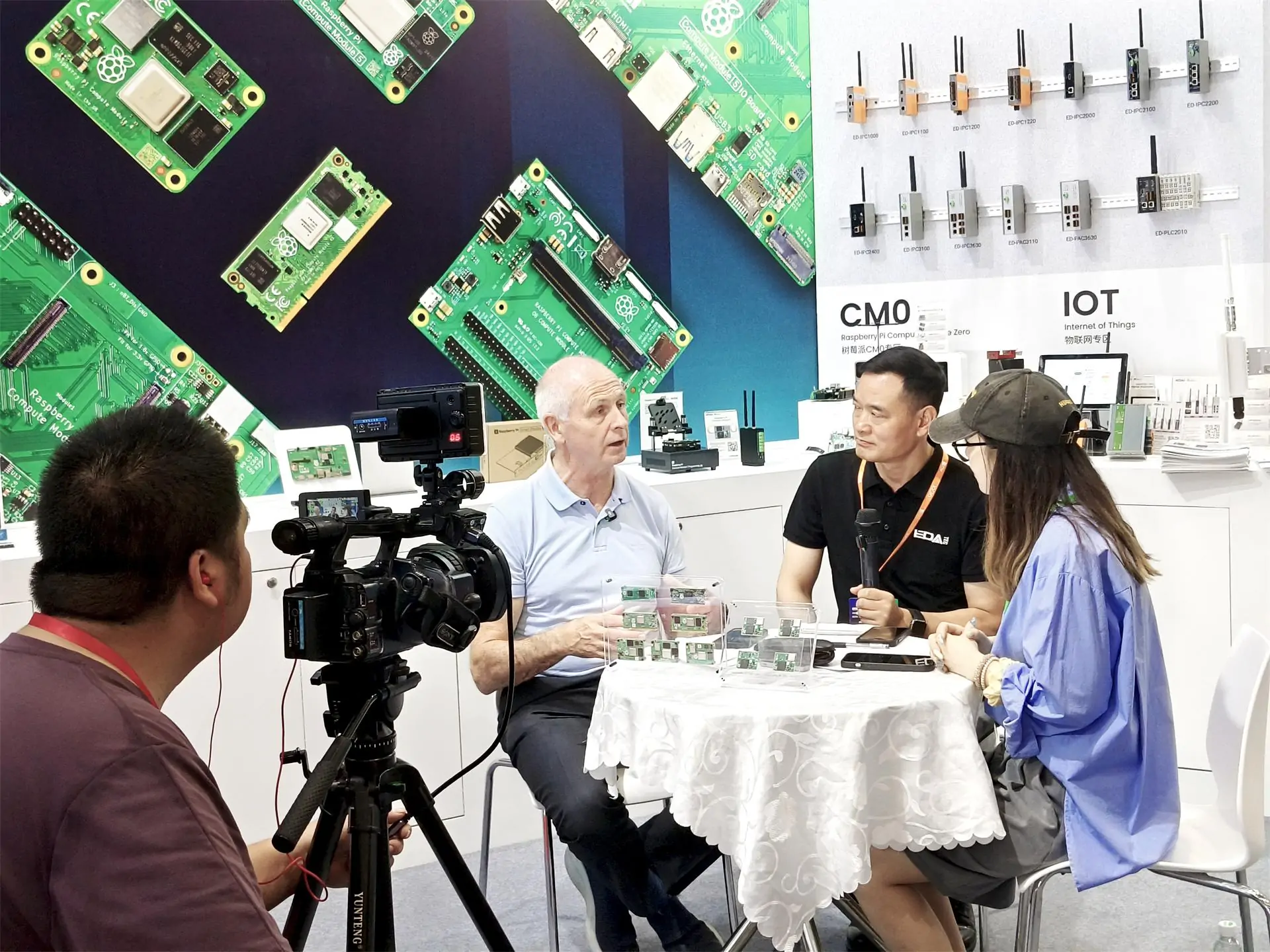
Raspberry Pi has been present in the Chinese market for more than a decade. From being a “star product” in the maker and education communities in its early days, to becoming a core computing platform widely adopted in industrial automation, smart retail, renewable energy equipment, and other applications, Raspberry Pi’s role in China has long gone beyond that of a “developer’s toy.”
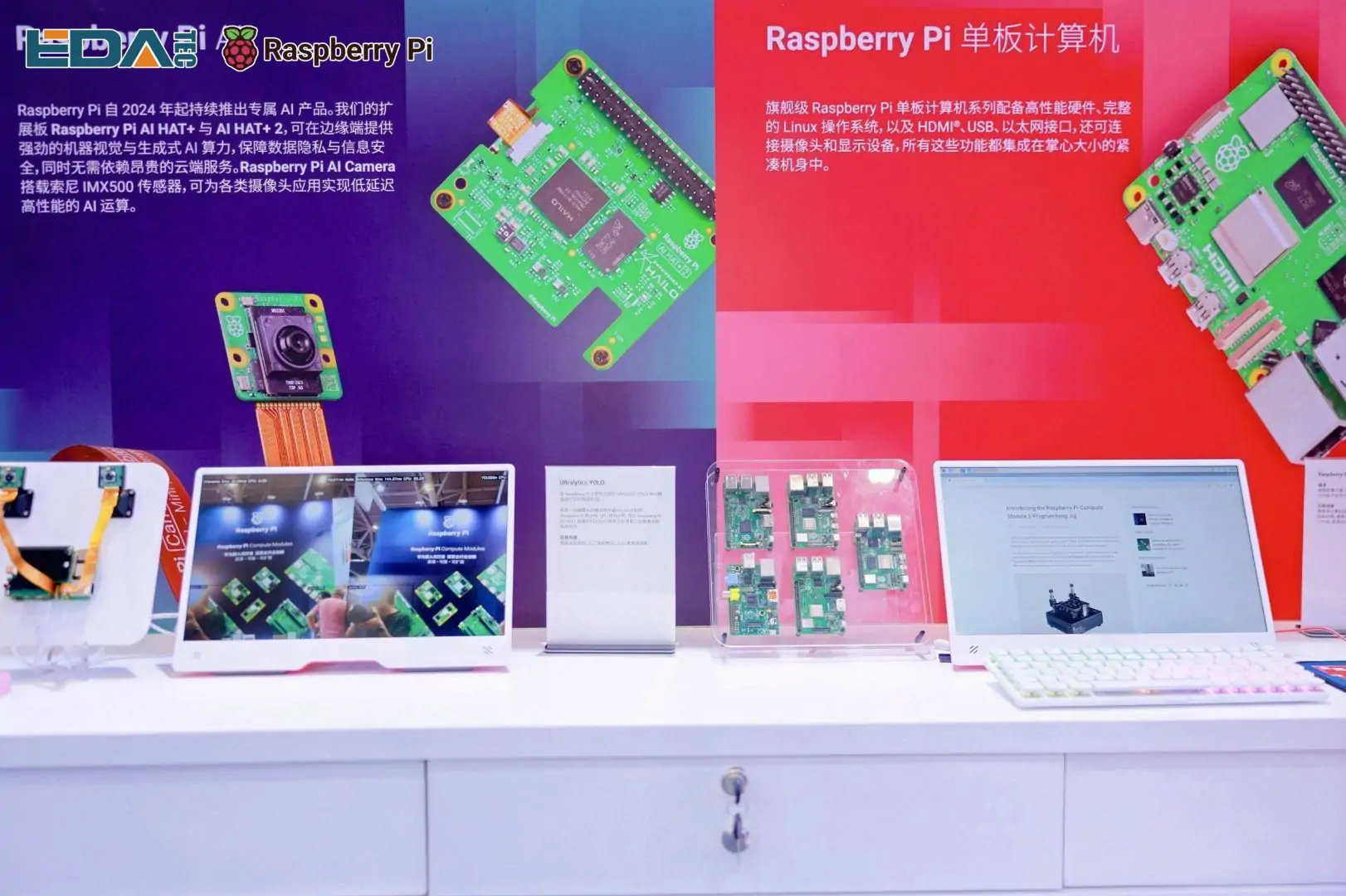
However, when asked whether Raspberry Pi plans to significantly expand its local distributor network in the next phase, Mike gave a somewhat “counterintuitive” answer:
“At the moment, we are not actively looking for new partners.”
In his view, the Chinese market does not lack the number of Raspberry Pi distributors — what matters more is the depth of collaboration. Over the past few years, Raspberry Pi has already established the foundation of its local distribution network. The current priority is not about “adding more,” but about building deeper partnerships — strengthening cooperation with existing key partners, and further enhancing their capabilities and value.
“Our strategy is very simple: find partners who truly understand the local culture and market, have strong capabilities, and then build a long-term relationship together.”
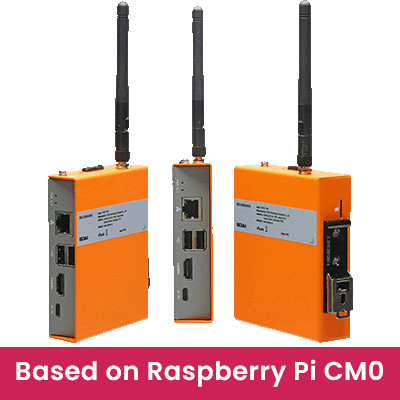
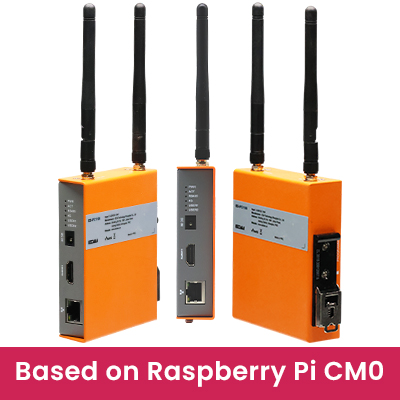
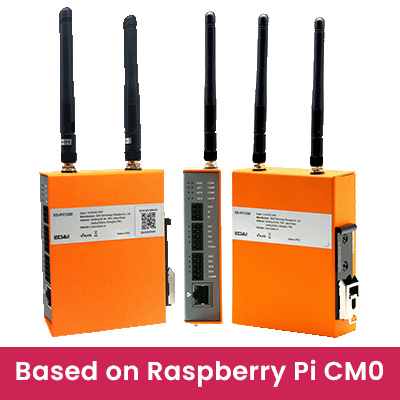
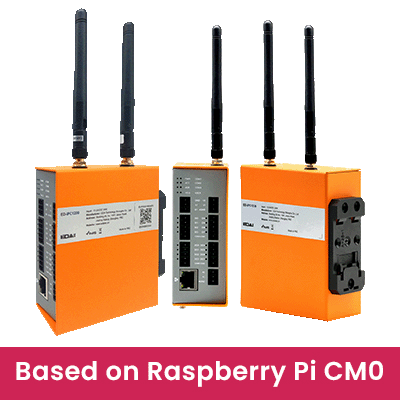
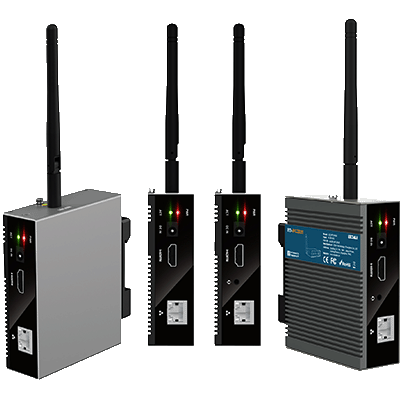
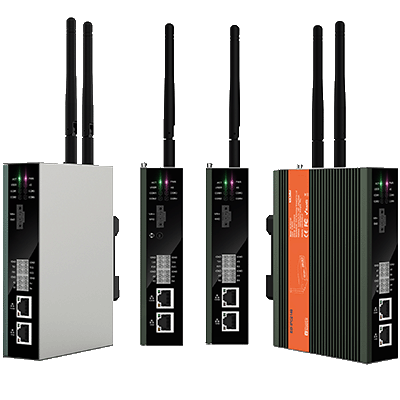
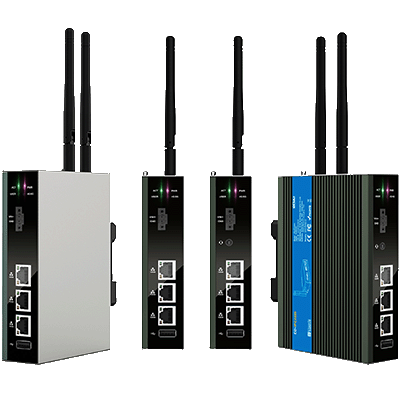
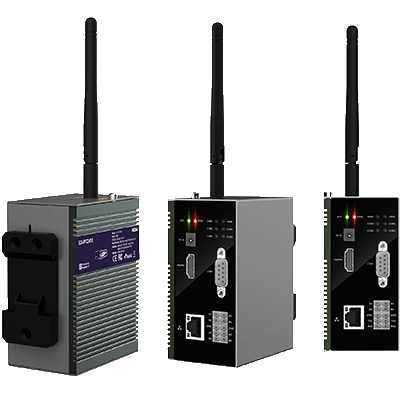
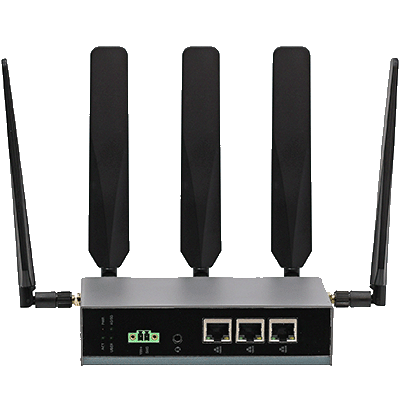
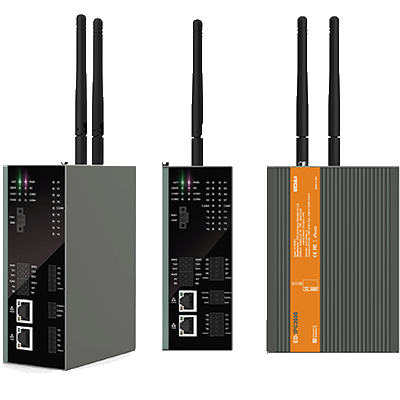
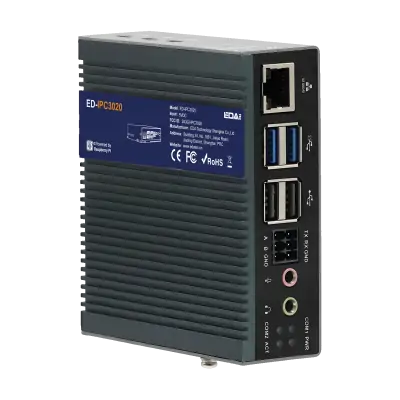
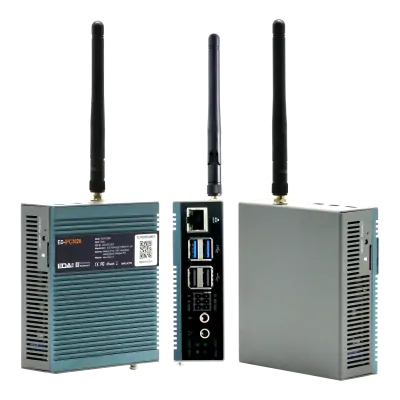
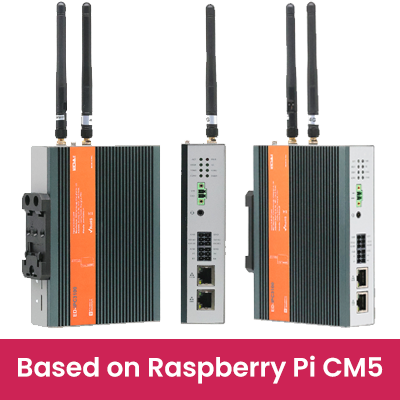
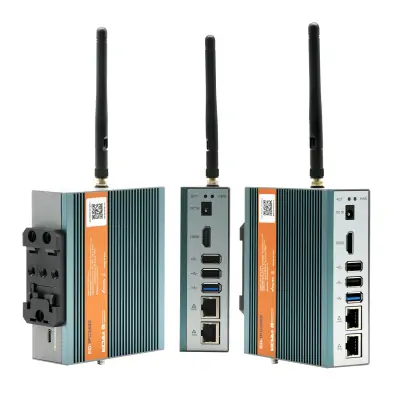
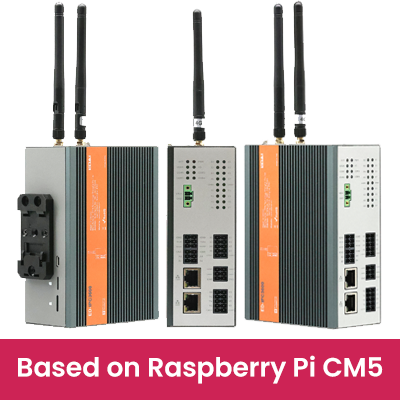
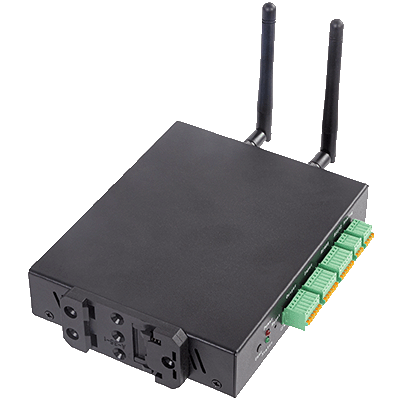
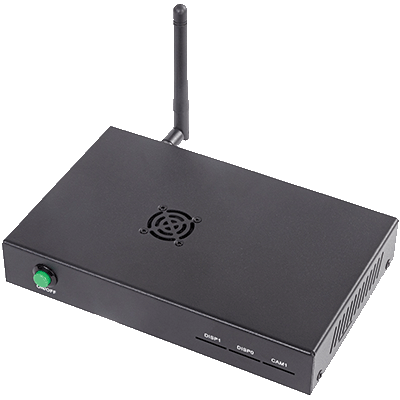
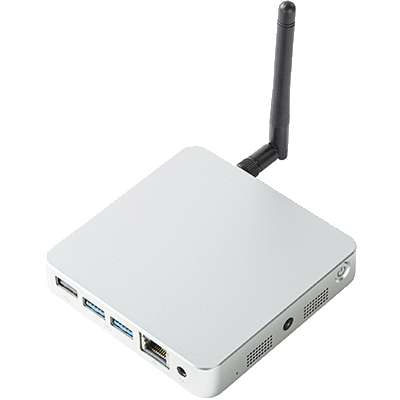
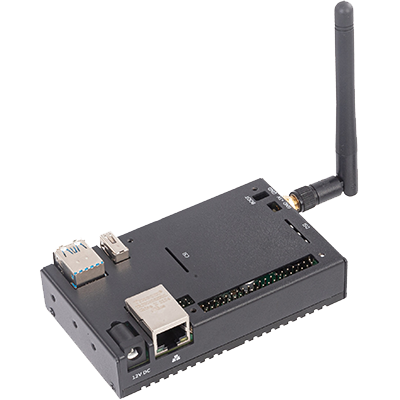
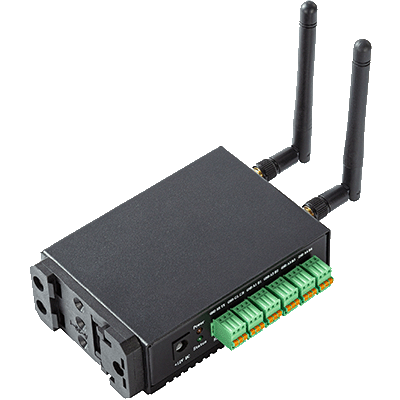
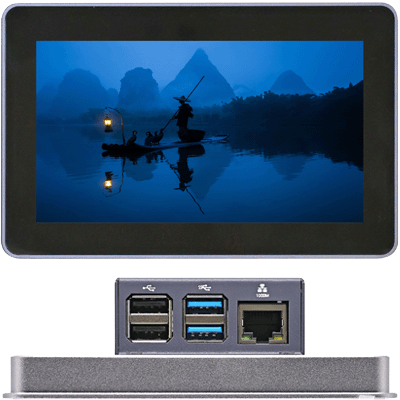
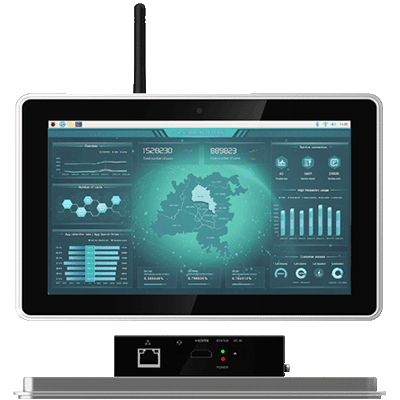
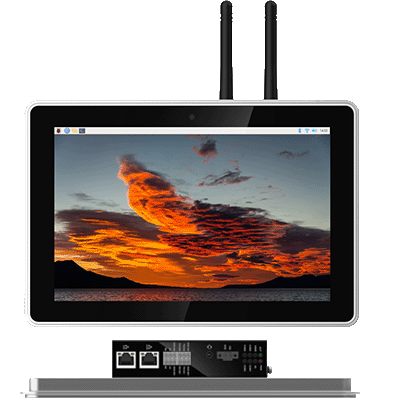
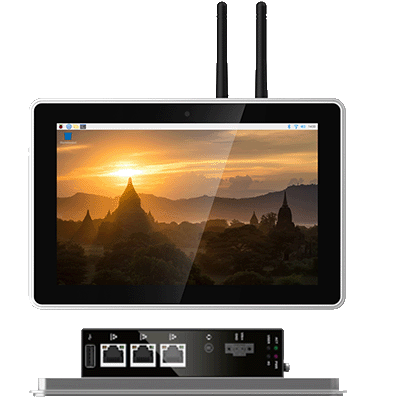
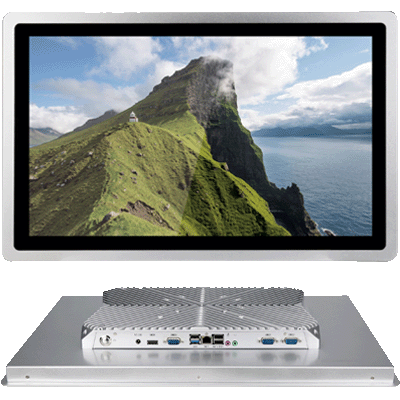
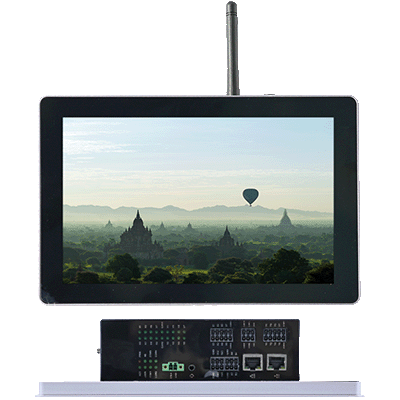
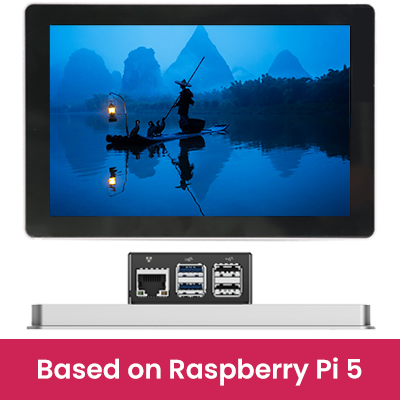
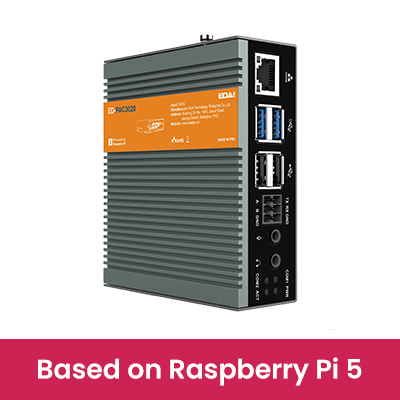
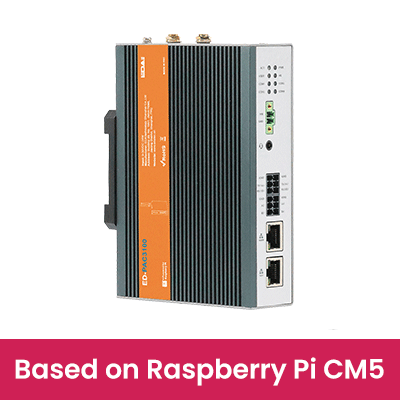
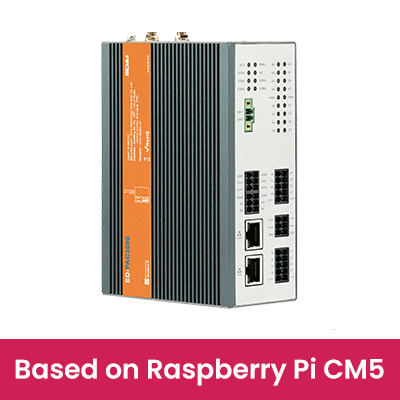
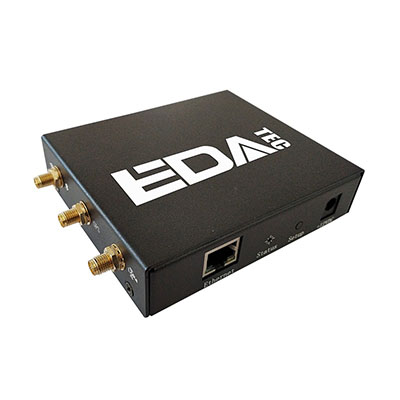
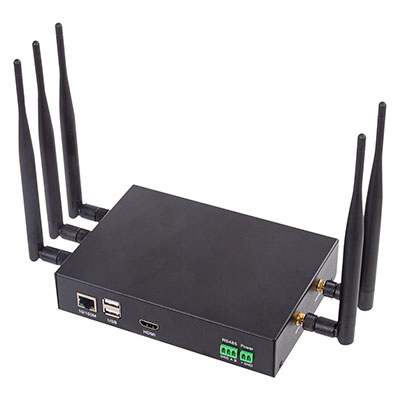
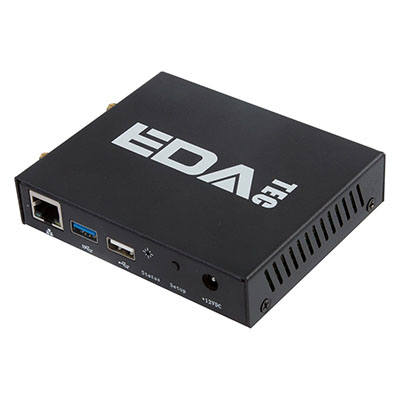
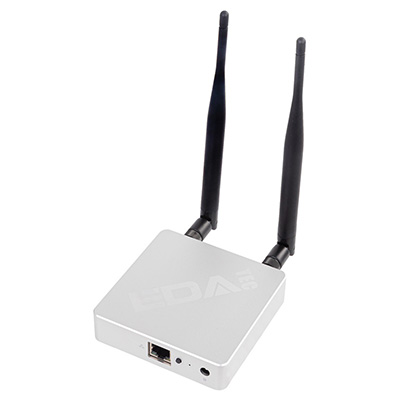
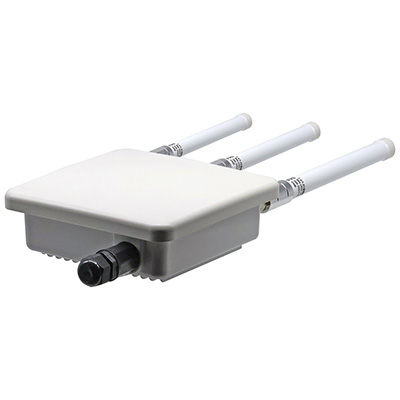
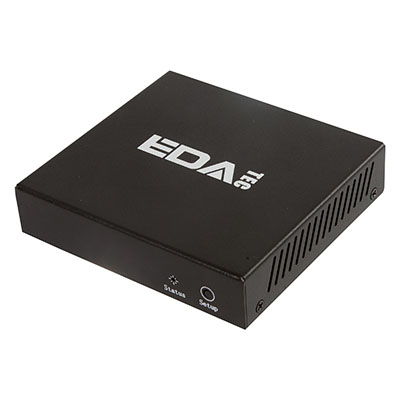
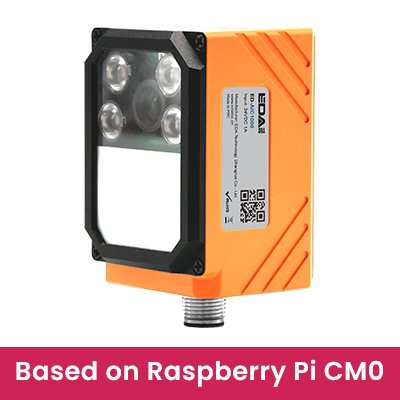
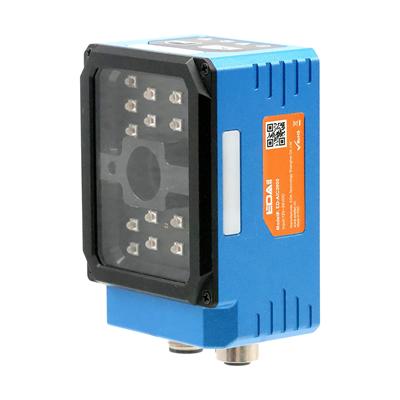
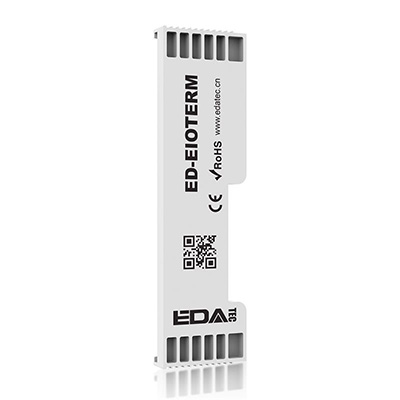
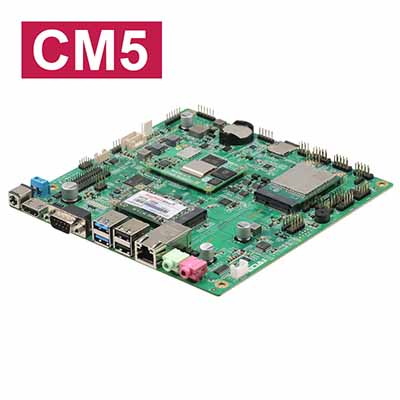
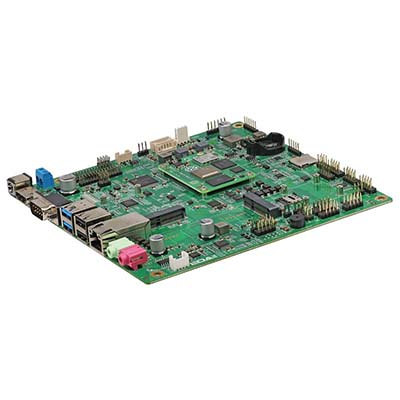
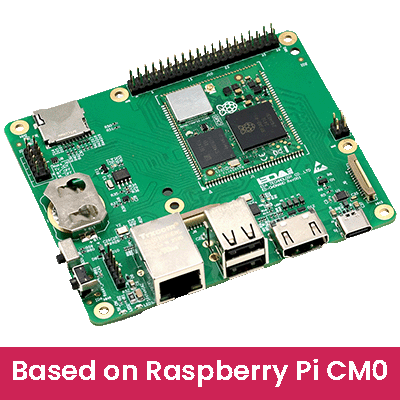
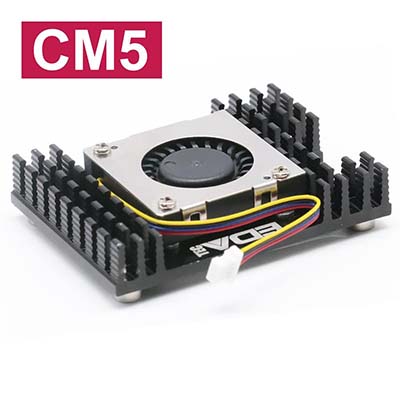
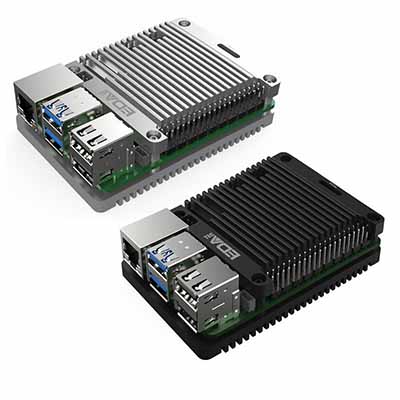
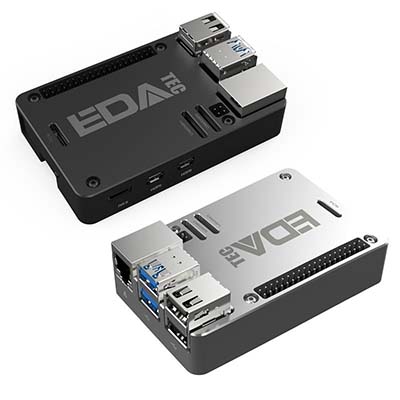
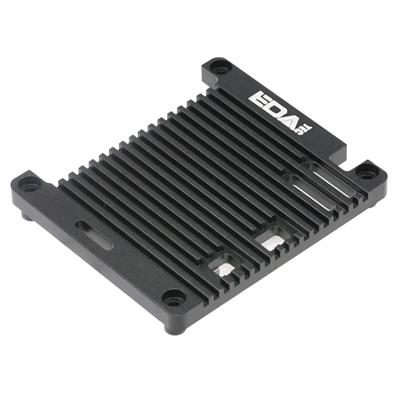
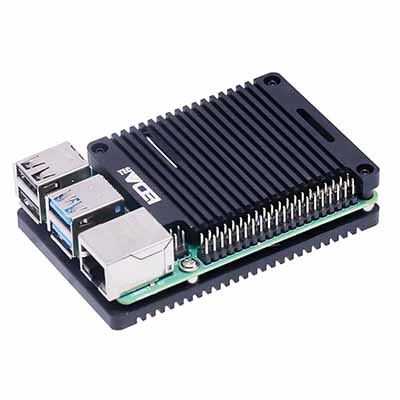
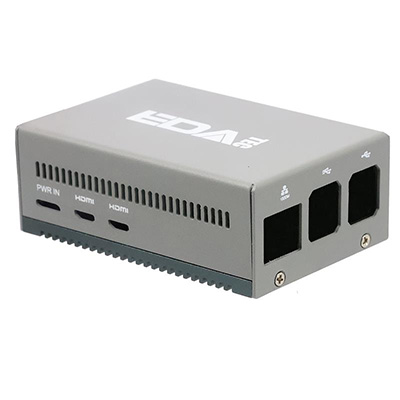
At this point, he specifically mentioned EDATEC. This local company has developed industrial-grade edge computing systems based on Raspberry Pi, which have already been adopted in volume by multiple smart manufacturing companies in China.
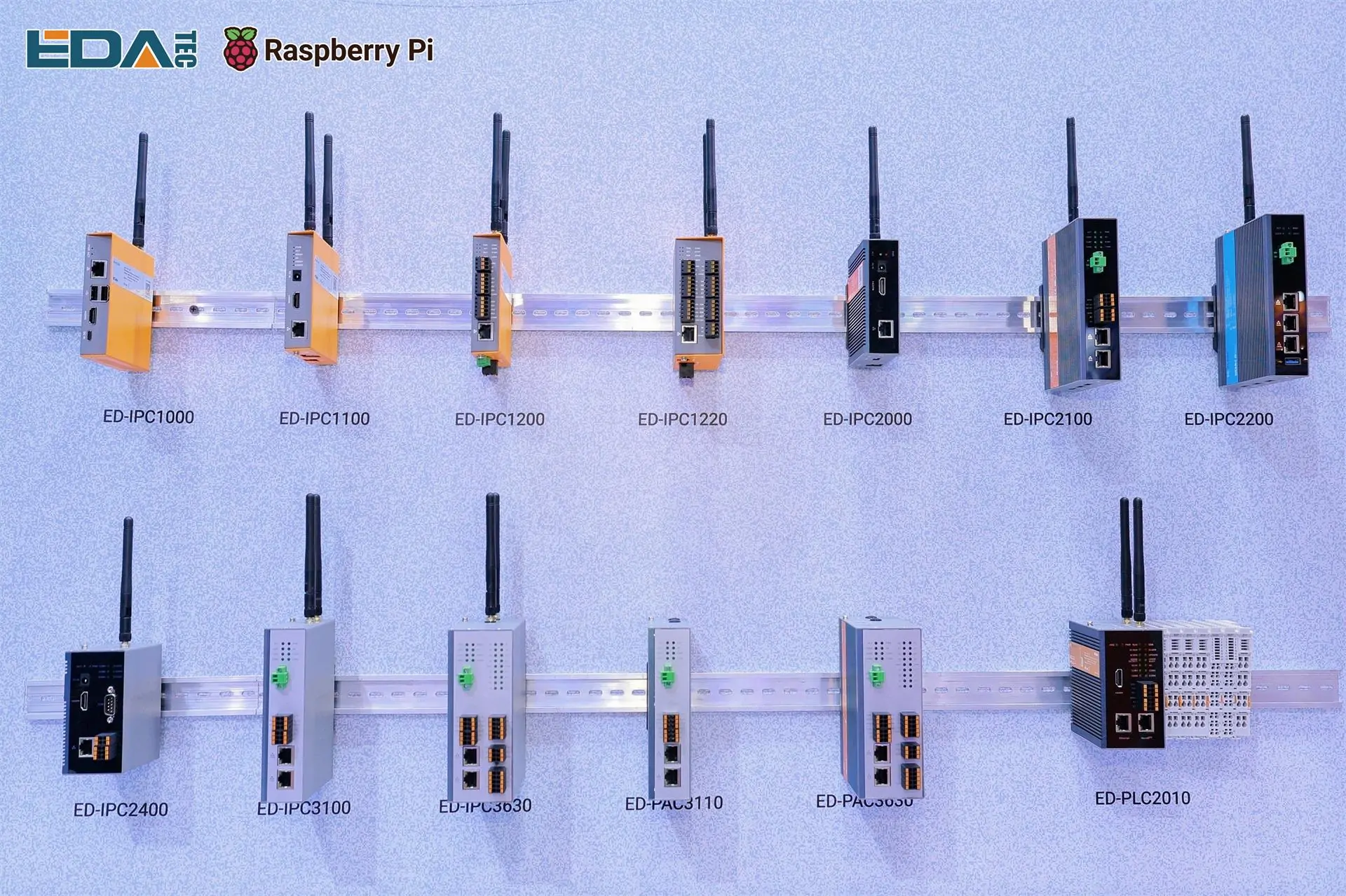
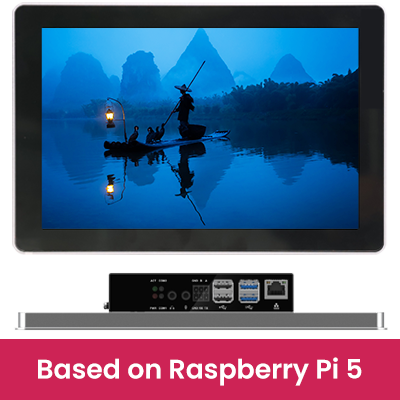
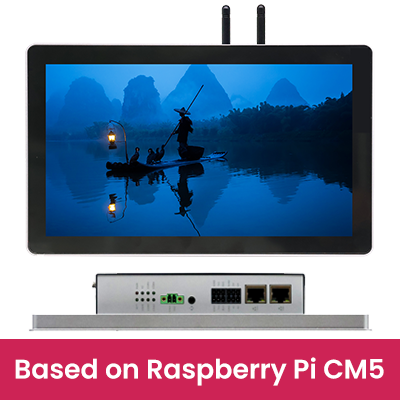
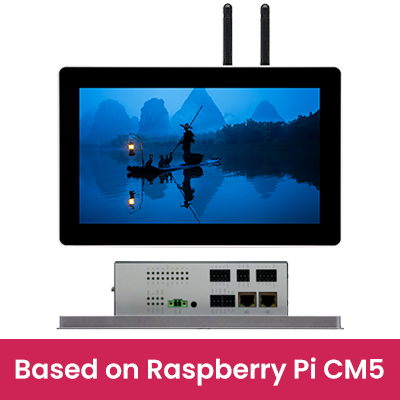
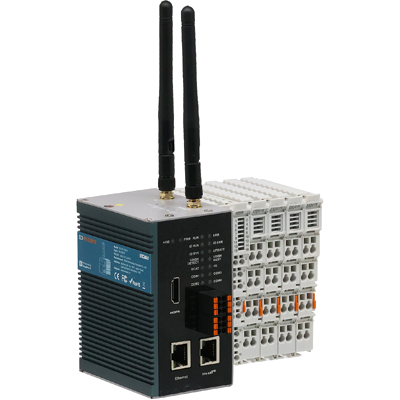
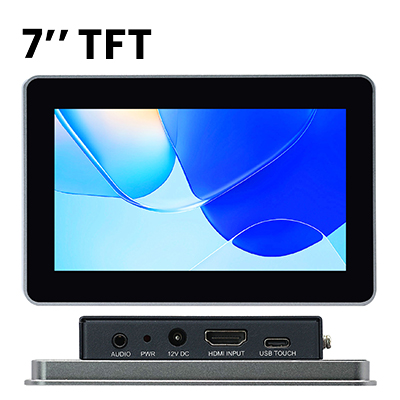
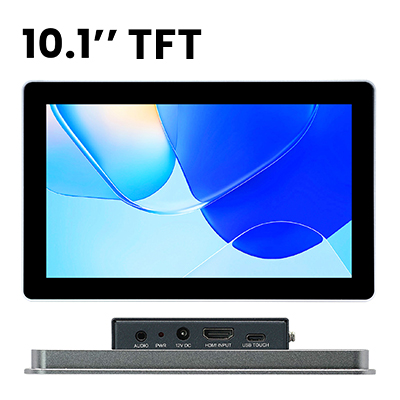
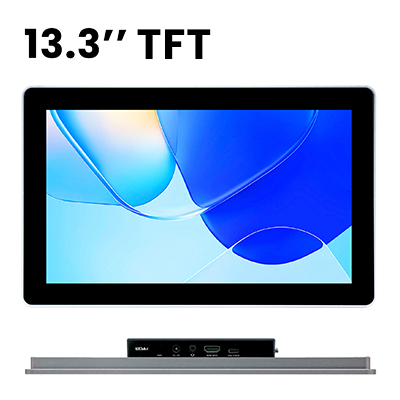
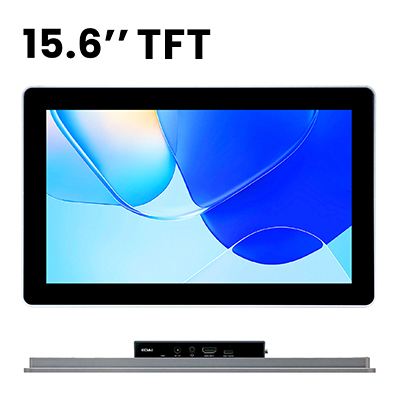
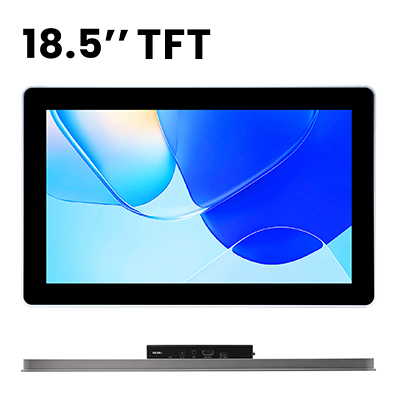
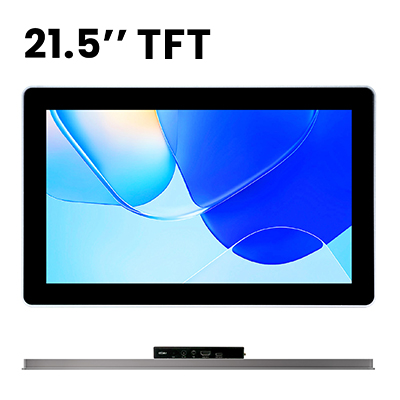
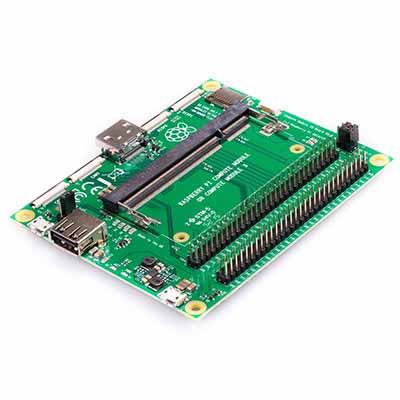
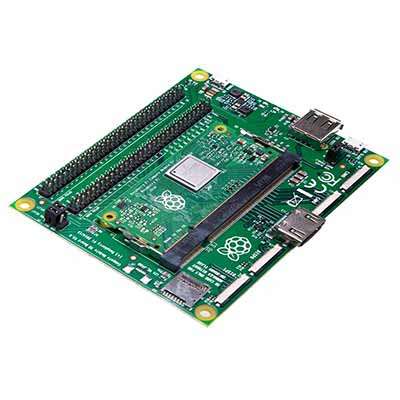
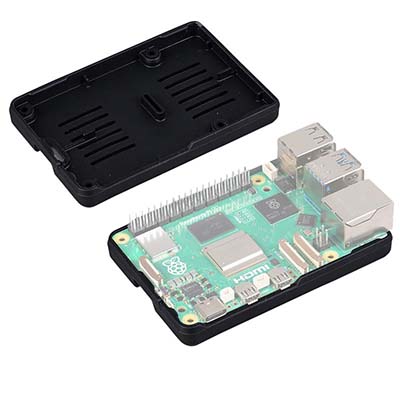
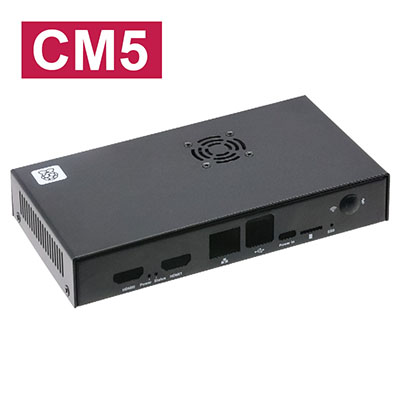
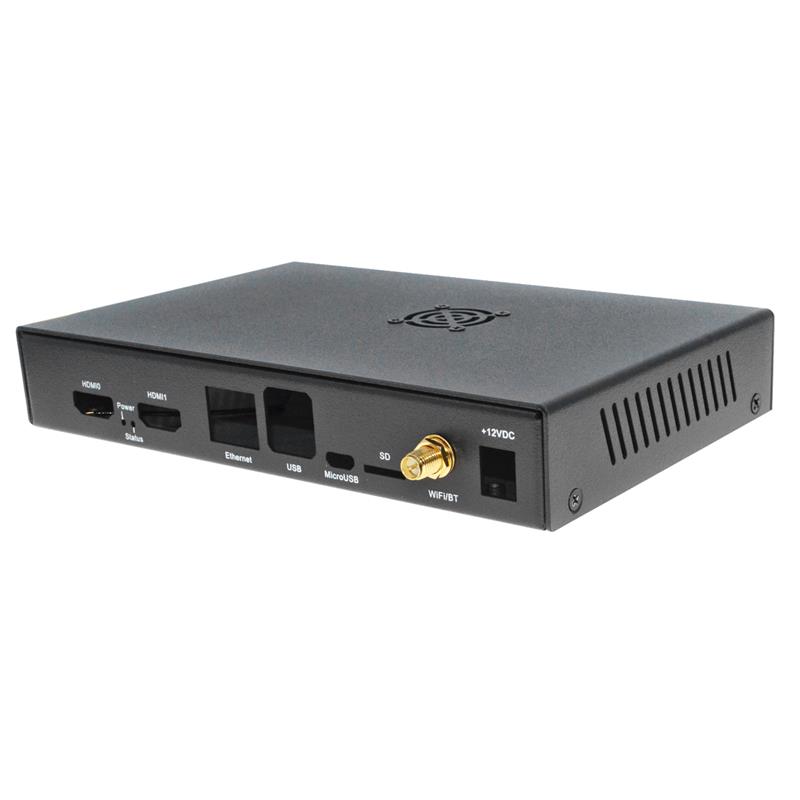
▲ Industrial Computers Powered by Raspberry Pi
“They have a deep understanding of Chinese customers’ design cycles, delivery schedules, and even how products are actually used on the factory floor. These are things you can never fully understand by sitting in an office in Cambridge.”
Mike shared a point that deeply resonated with everyone present: “If we serve Chinese customers in the same way we serve UK customers, it simply won’t work.”
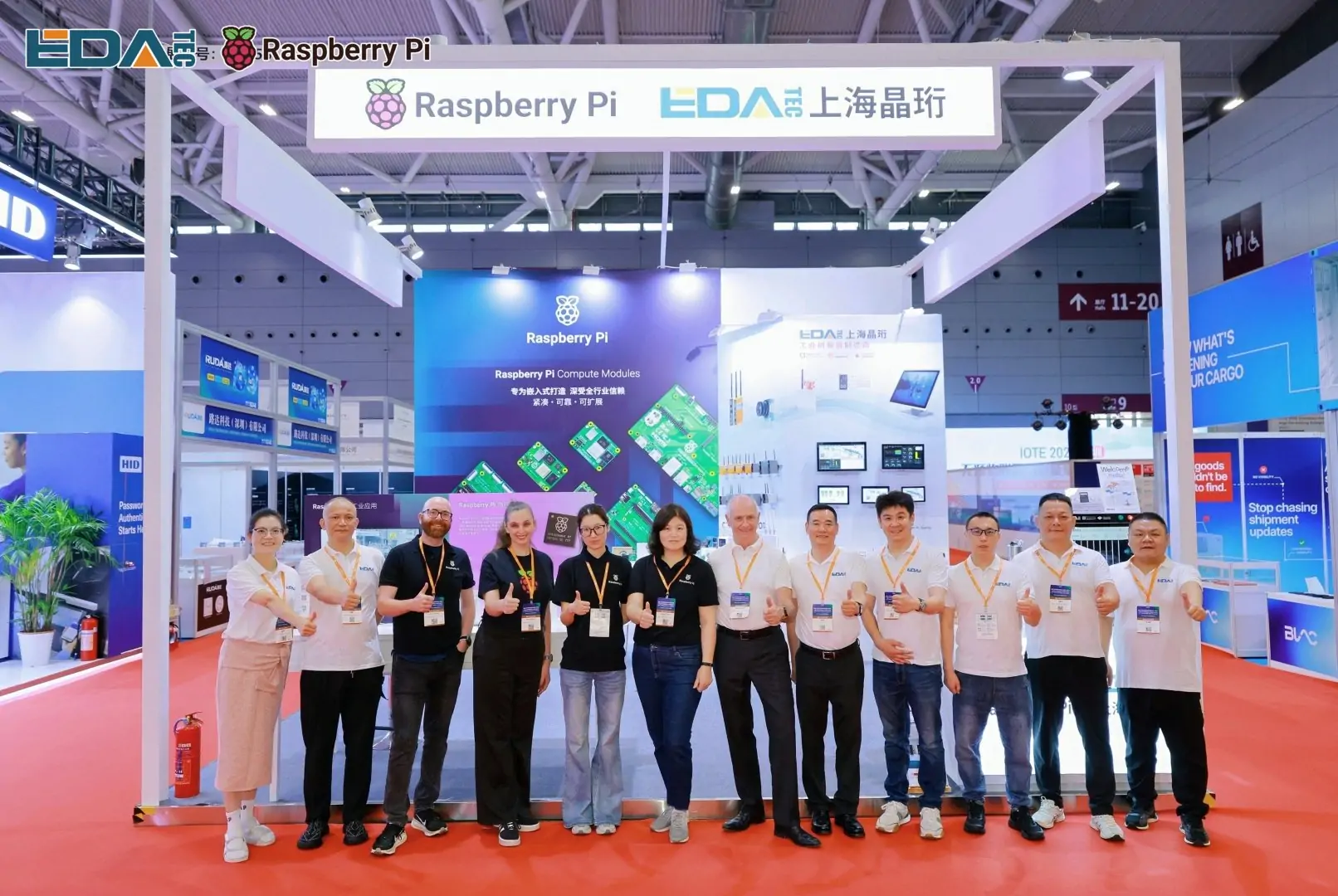
For industry professionals on the front line, this statement hits the core of the issue: the success of a semiconductor company’s localization strategy often depends not on technical specifications alone, but on whether its partners can truly understand and communicate with customers in their own language.
Memory chip prices surge eightfold — how is Raspberry Pi “holding the line” against supply chain challenges?
Over the past year, the price fluctuations of DRAM and NAND Flash have sent ripples throughout the entire electronics supply chain. From distributors to end-product manufacturers, no one has been able to remain unaffected.
Having spent many years in the semiconductor industry, Mike has experienced multiple supply chain cycles and market fluctuations. However, even this time, the situation left a deep impression on him:“To be honest, this is the most severe situation I have ever seen, especially when it comes to memory.”
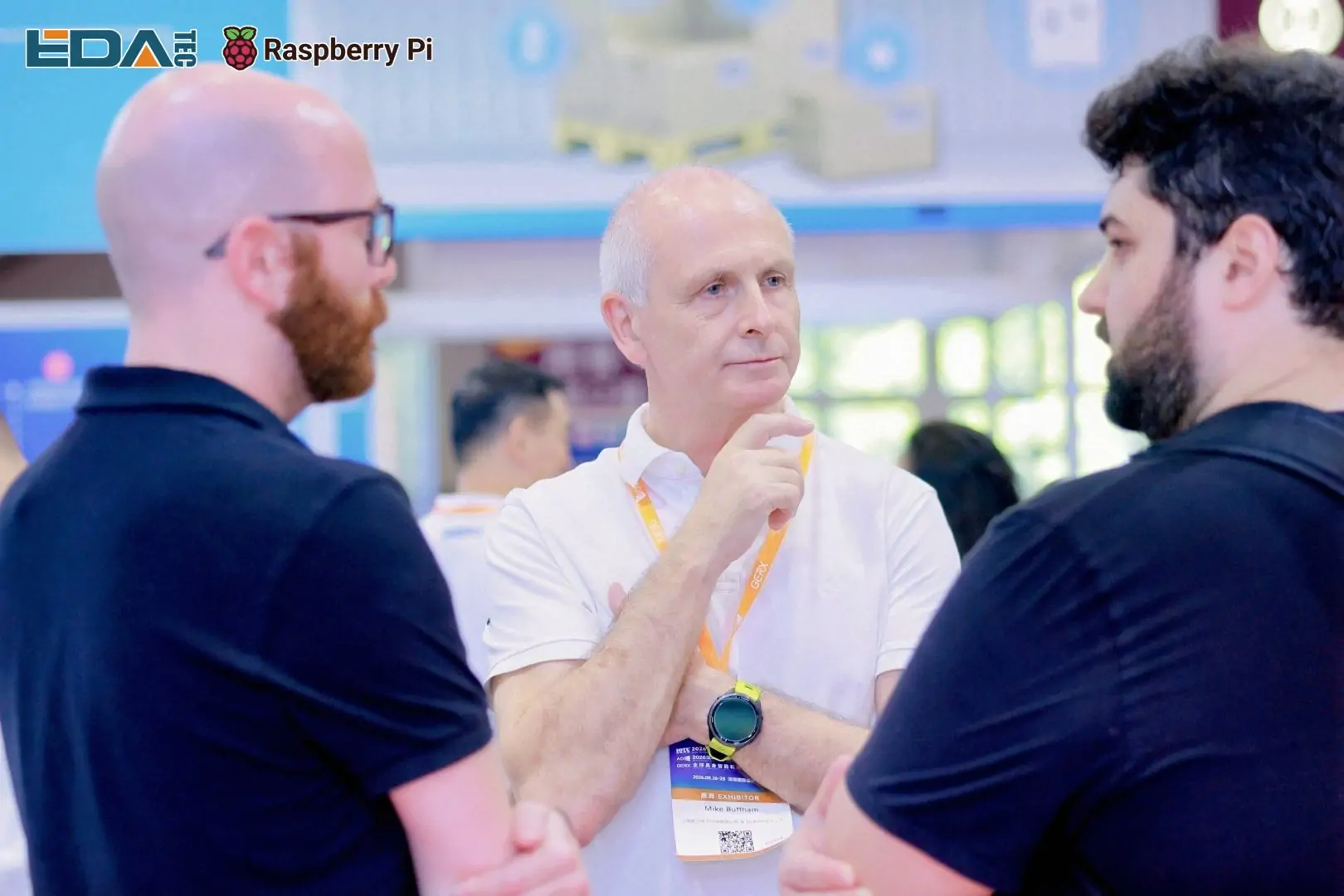
He did not shy away from the sensitive topic of price increases. For some Raspberry Pi product lines, the procurement cost of DRAM has risen to as much as 8 to 9 times the level of 15 months ago.
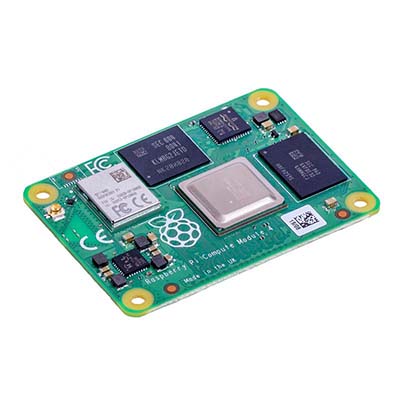
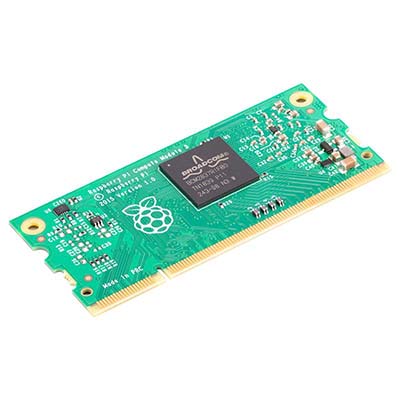
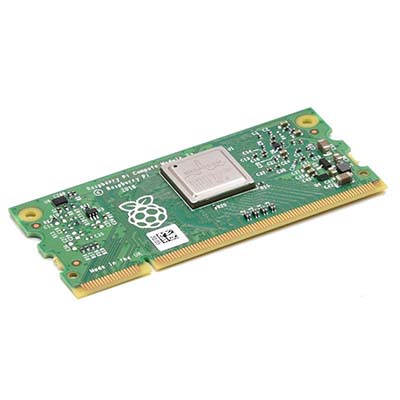
For industrial customers integrating Raspberry Pi Compute Modules into complete systems, this means direct pressure on BOM costs. So how is Raspberry Pi responding? Mike broke it down from three key perspectives:
First, expanding DRAM suppliers from “two legs” into a broader supply network.
For the past 14 years, Raspberry Pi’s DRAM supply had relied almost entirely on just two suppliers. One of them has largely stepped away from the partnership due to changes in its own market strategy. Today, that number has grown to seven or eight suppliers, with several being China-based suppliers. The transition required significant engineering investment. Every new supplier’s memory chip must go through complete hardware adaptation and reliability validation processes. It is time-consuming and resource-intensive, but there is no shortcut.
Second, helping customers “simplify” their configurations.
Some industrial customers originally purchased 4GB memory versions. Raspberry Pi’s engineering team proactively worked with them to evaluate whether the same applications could run successfully on a 2GB configuration. “If customers can reduce their memory requirements, their cost pressure will be significantly lower,” Mike explained. For procurement and supply chain managers, this represents a practical cost-reduction approach: higher specifications are not always necessary — the right configuration is what matters.
Third, raising prices — but doing so as “gently” as possible.
Mike emphasized:“We delayed price increases for as long as we could, and we did not pass the entire cost increase on to customers or try to profit from the situation.”
However, his honesty was equally striking:“But we had no other choice. We had to pass on part of the pressure.”
The message Mike wanted to convey was clear:Raspberry Pi is not trying to take advantage of the situation, but it also cannot completely escape the realities of industry cycles. The company is addressing the challenge across the supply chain: expanding supply sources upstream, helping customers optimize configurations in the middle, and minimizing price increases wherever possible downstream.
“We Support Customers — We Don’t Depend on One or Two Large Orders to Survive”
During the interview, Mike repeatedly emphasized the phrase “thousands of customers.”
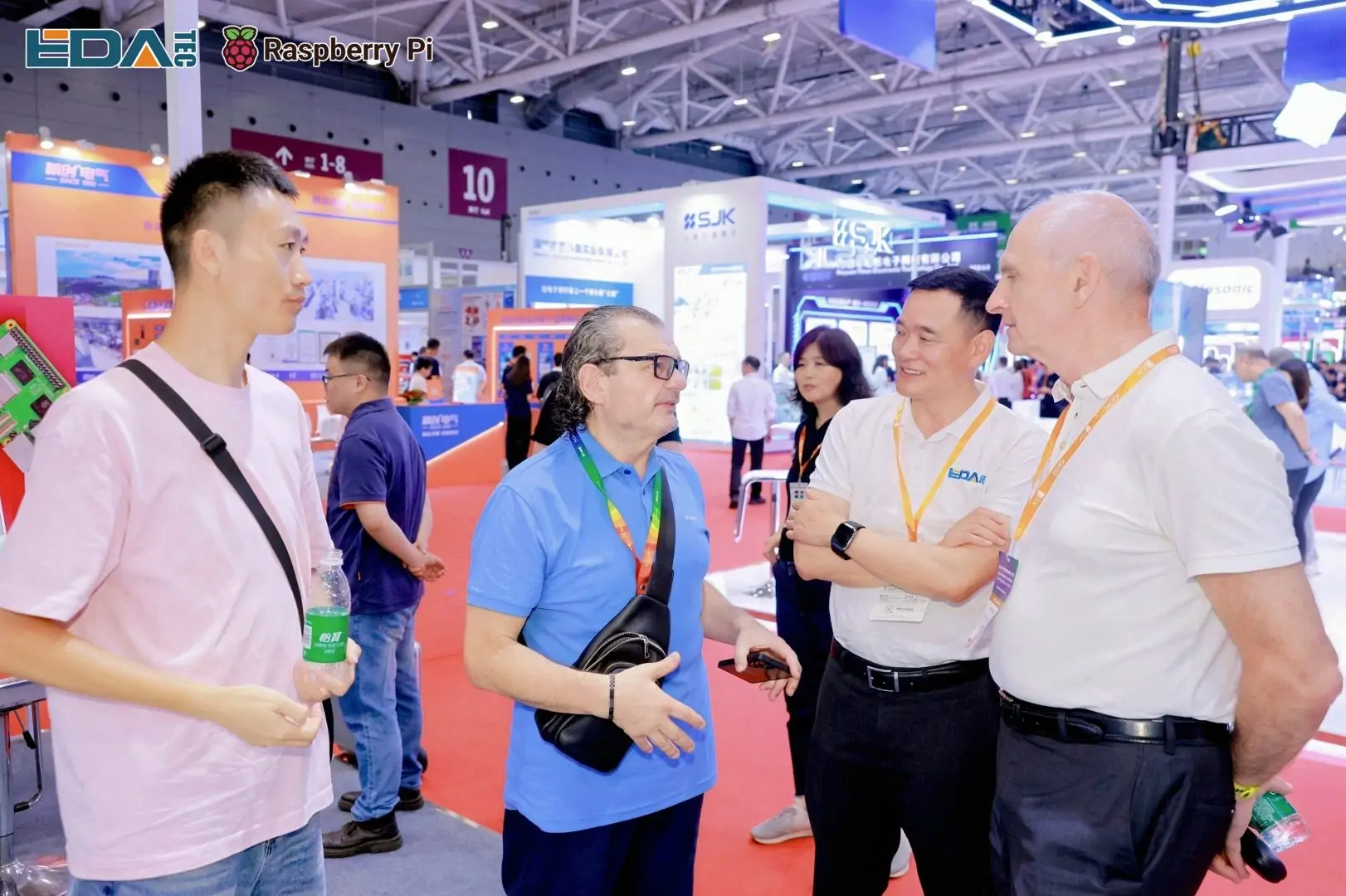
“Our customer base is not made up of just one or two major corporations, but thousands of medium-sized and small-to-medium-sized businesses. Their success is what drives our success.”
This positioning defines a business model that is fundamentally different from many traditional semiconductor companies. Rather than relying on a small number of major customers, Raspberry Pi drives growth through a broad application ecosystem and a massive global developer community.
For electronic component distributors and solution providers, this message carries significant weight: Raspberry Pi is not pursuing a “winner-takes-all” strategy in China. Instead, the company aims to grow together with participants across the industrial ecosystem — from companies of different sizes to partners at different stages of the value chain. This approach creates substantial opportunities for local distributors, IDHs (Independent Design Houses), and system integrators to build deeper collaborations with Raspberry Pi.
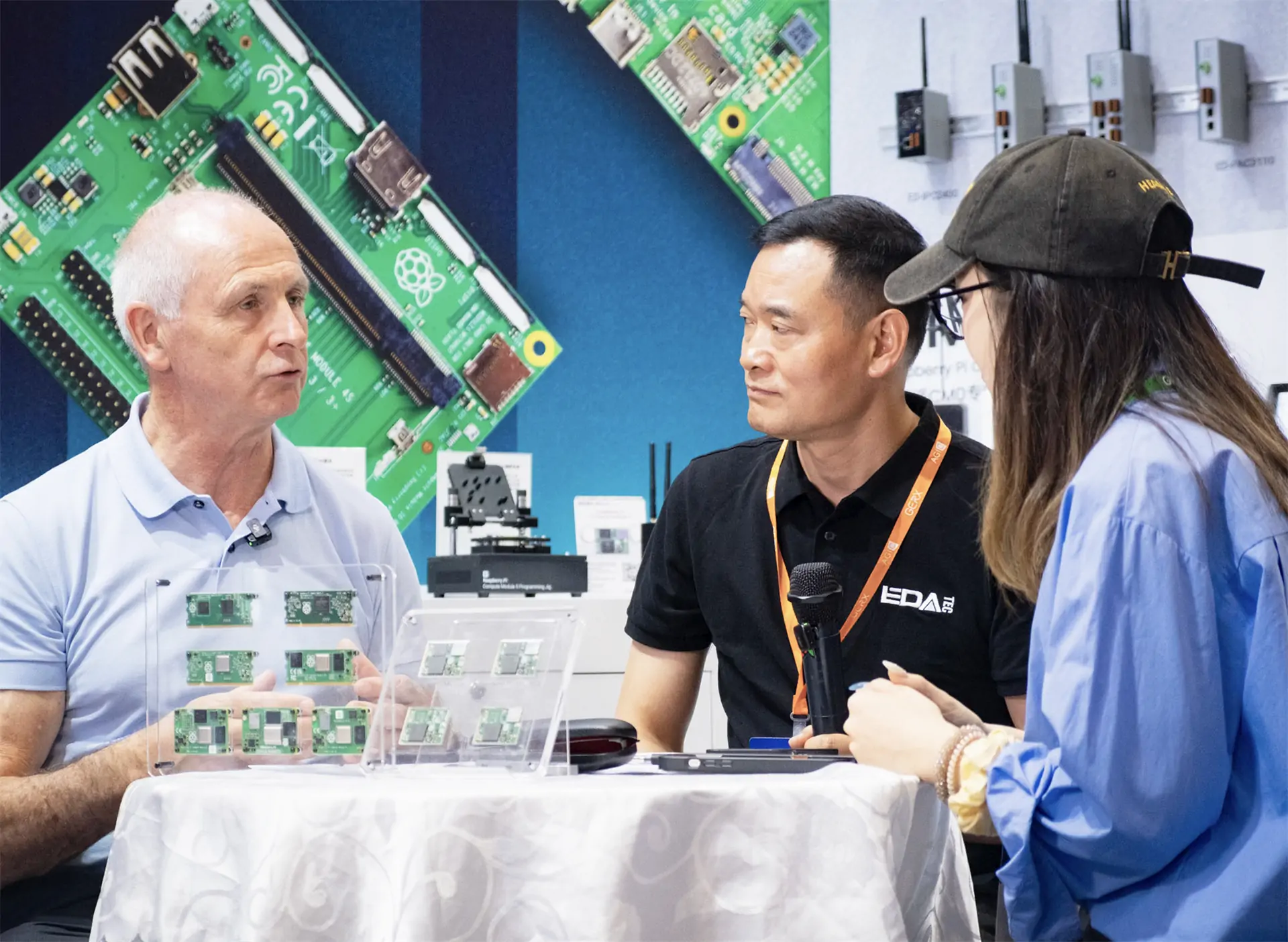
Mike said: “We have excellent local partners like EDATEC, 14 years of accumulated technical expertise and brand recognition, and most importantly, a long-term commitment to the Chinese market.”
Edge AI: Not Building AI Chips, Yet Powering AI Everywhere
Edge AI is undoubtedly one of the hottest topics in the electronics industry today. From industrial vision inspection to smart retail cabinets, from AGV navigation to predictive maintenance, a growing number of IoT applications are shifting from “cloud-based inference” to real-time processing at the edge.
When asked about Raspberry Pi’s strategy in the AI field, Mike immediately clarified the company’s position:
“Raspberry Pi does not claim to have its own AI processors or NPUs (Neural Processing Units).”
However, this does not mean Raspberry Pi is sitting on the sidelines of the AI revolution. On the contrary, its approach is more practical and closely aligned with real-world industry needs: using existing high-performance computing platforms to enable as many edge AI applications as possible.
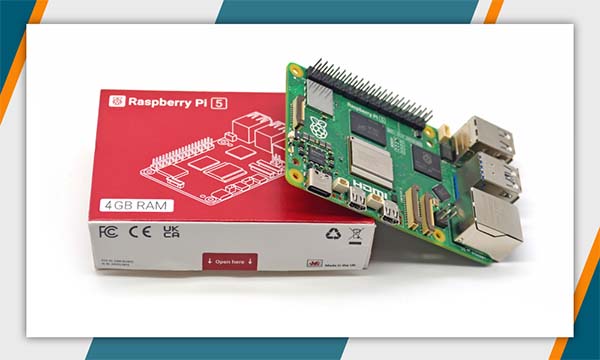
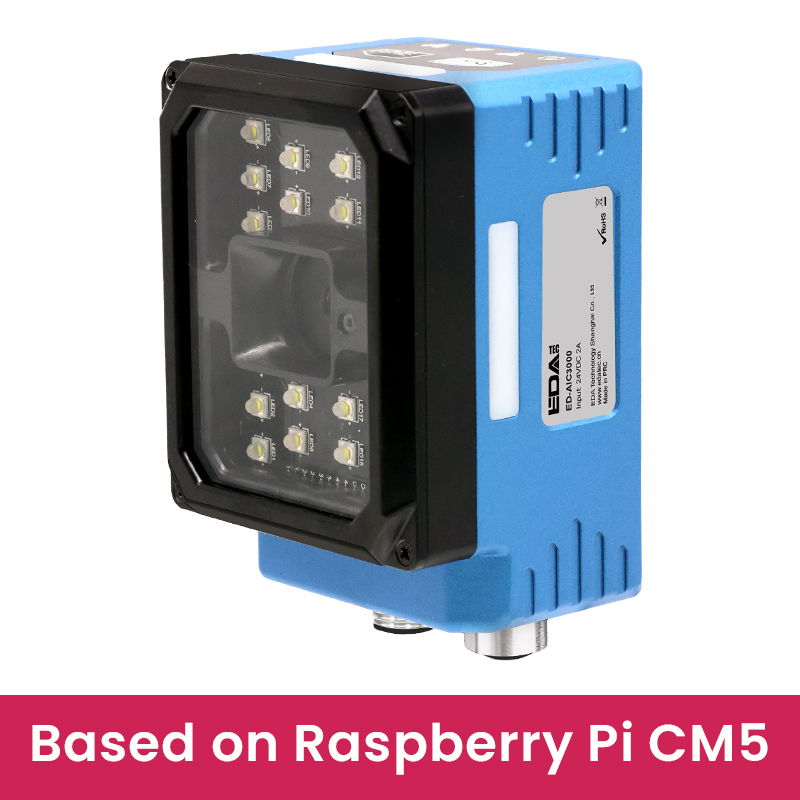
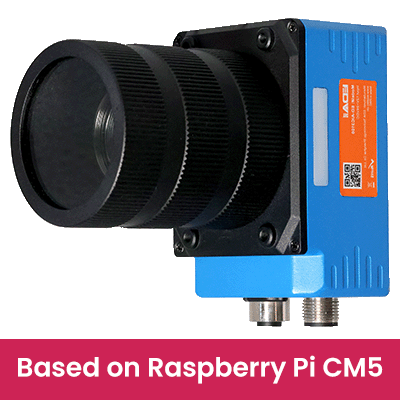
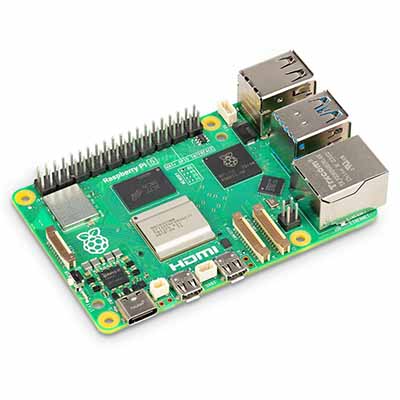
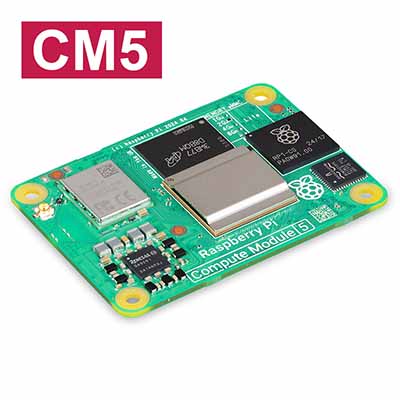
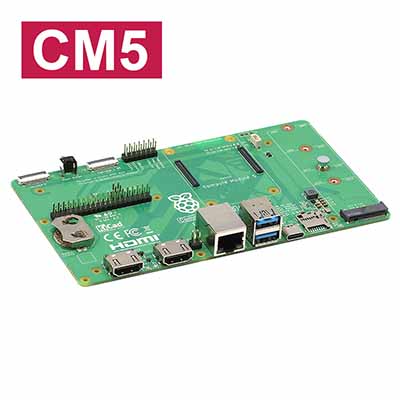
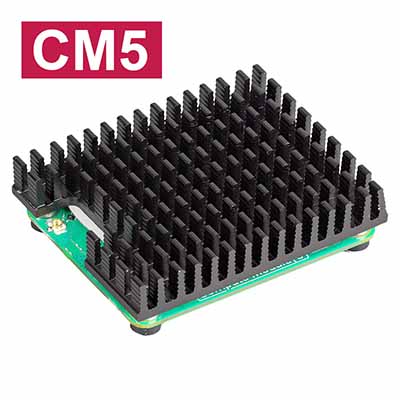
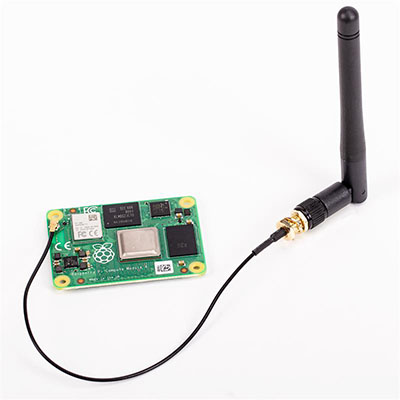
He specifically highlighted Raspberry Pi 5 and Compute Module 5. With significantly improved CPU performance, these two platforms are now capable of handling a wide range of edge inference workloads. From AOI (Automated Optical Inspection) on industrial production lines to data preprocessing in smart gateways, there are already numerous examples of successful deployments at scale.
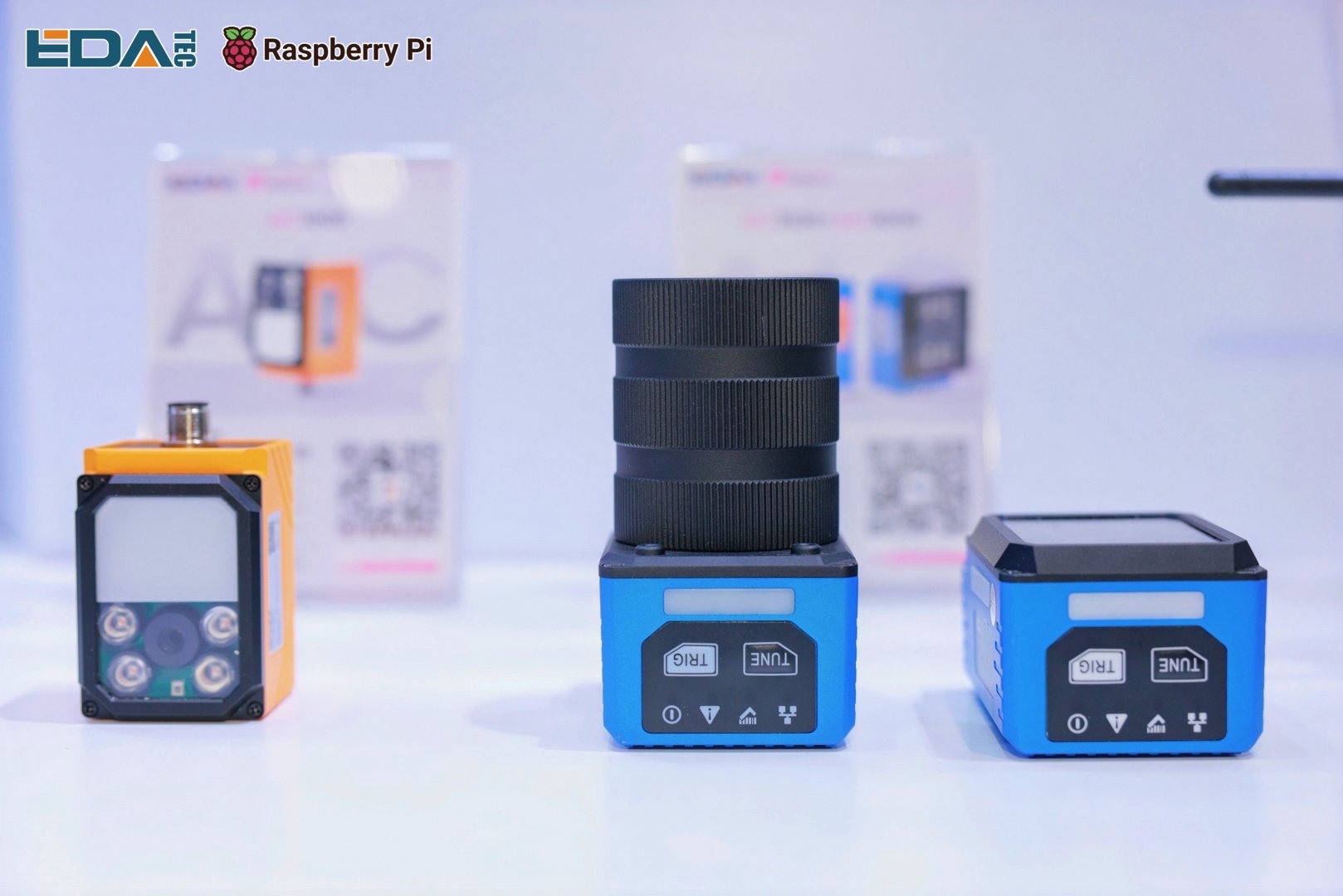
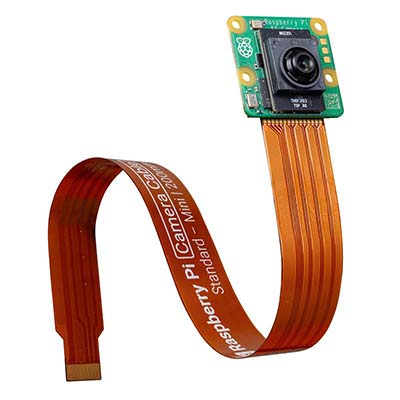
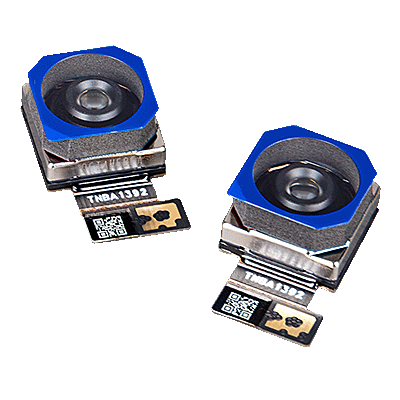
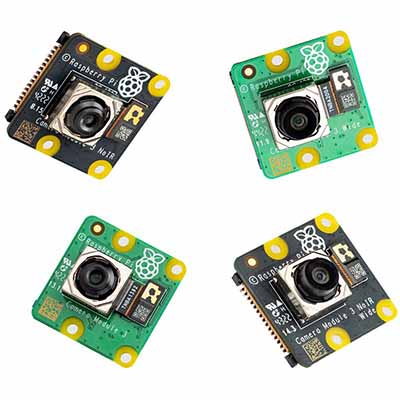
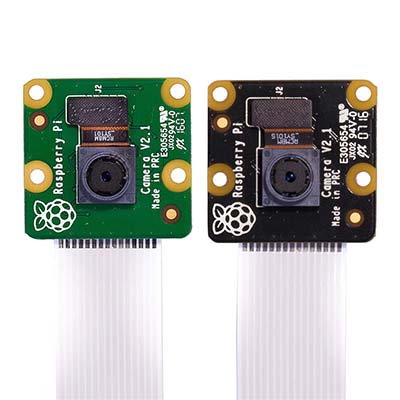
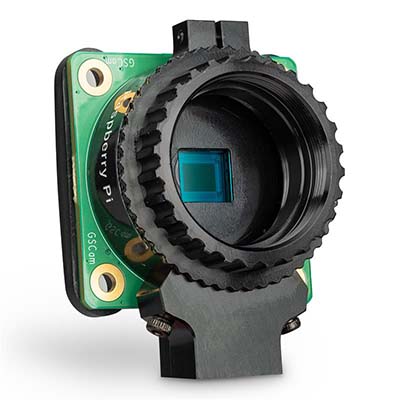
▲ Industrial AI Camera Powered by Raspberry Pi
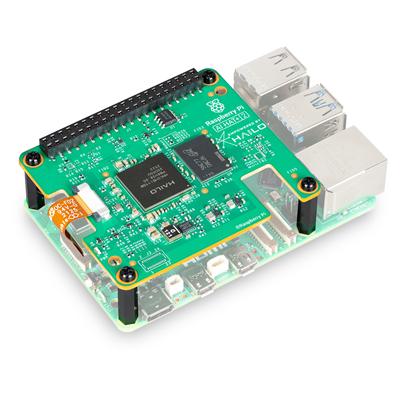
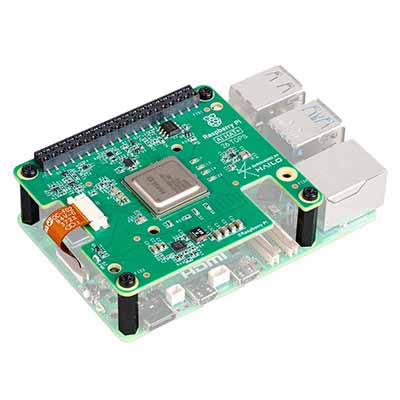
In terms of hardware acceleration, Raspberry Pi has partnered with Israeli AI company Hailo to launch a dedicated AI acceleration kit.“The focus is primarily on vision applications, while we are also expanding into generative AI,” Mike revealed.
For application engineers and product managers seeking to deploy edge AI solutions, the strategy behind this combination is clear: There is no need to wait for a “dedicated AI chip.” The existing Raspberry Pi ecosystem is already capable of powering a wide range of AI applications, while AI acceleration kits further expand the performance boundaries.
Interview Notes: A British Company’s “China-Style Pragmatism”
Throughout the entire interview, the phrase Mike mentioned most frequently was “local partners.” From the very first question to the final one, this keyword appeared repeatedly.
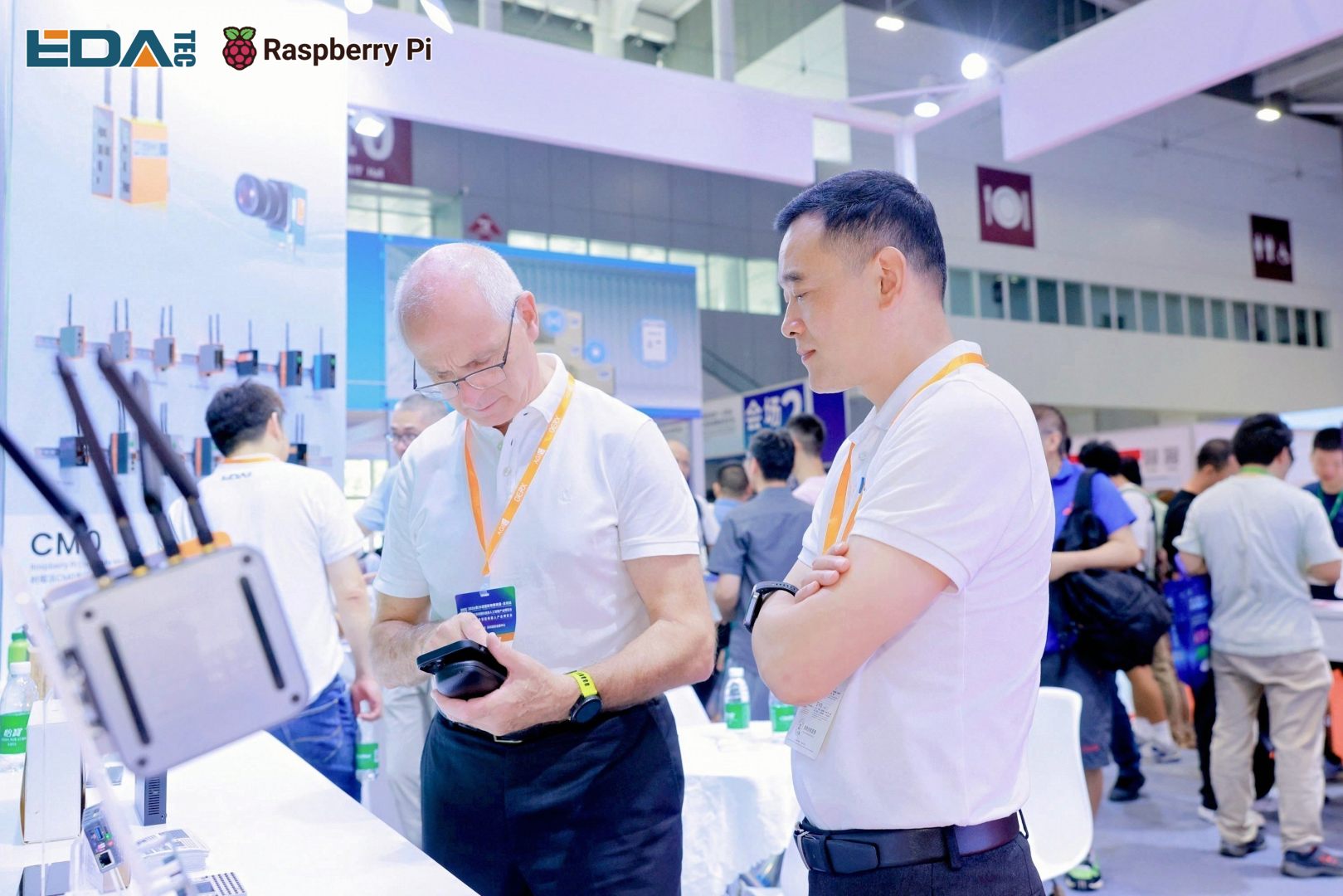
Against the backdrop of increasing volatility in the memory component supply chain and growing geopolitical uncertainty, a British company has chosen to respond through “deep localization.” Rather than blindly expanding its distributor network, avoiding discussions around price pressures, or chasing AI hype, Raspberry Pi is focusing its efforts on the real capabilities of its partners and the genuine needs of its customers.
For professionals in the electronic components and IoT industries, this pragmatic approach offers valuable insights: it shows that Raspberry Pi is not simply seeking to make a “one-time deal” in China, but is building a localized support system designed for long-term operation.From diversified supply chain strategies, to the technical implementation capabilities of local partners, and to broad support for small and medium-sized customers, Raspberry Pi is steadily strengthening its presence in the Chinese market.